

Have you ever looked at an old photo and wondered why your smile just doesn’t look the same anymore? Teeth can shift, overlap, or even develop gaps over time without anyone even realising. It may not hurt, but that doesn’t mean it isn’t an issue. A well-aligned smile is not only about appearance. It can also play an important role in your oral health.
If you are experiencing any changes to your bite or the way your teeth fit together, an orthodontist in Siliguri will be able to assess if it is a cosmetic concern or something that should be treated.
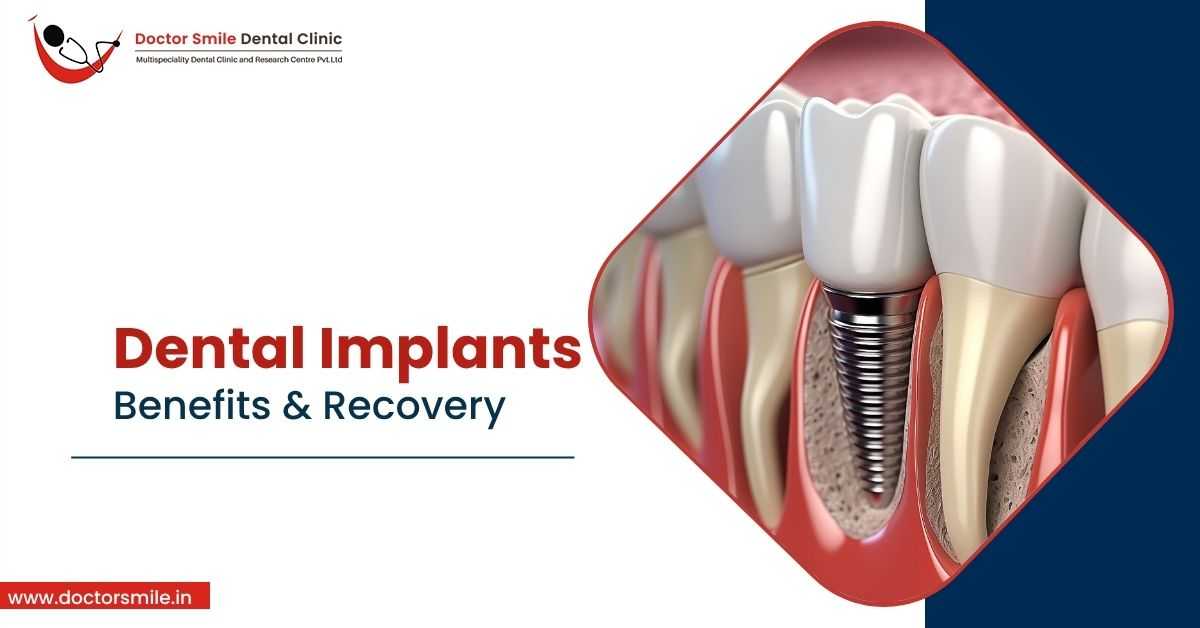
Read More: Dental Implants - Benefits and Recovery
What Does an Orthodontist Do?
An orthodontist specialises in straightening teeth and jaws and correcting the bite (the way the lower and upper teeth meet when you close your mouth). An orthodontist evaluates misaligned bites and crowded or spaced-out teeth and develops a treatment plan to address the issue. A visit to an Orthodontist need not always involve getting braces. Sometimes, the doctor can monitor the progress of your teeth alignment. However, treatment may commence if deemed necessary.
Signs You May Need to Visit an Orthodontist
Your teeth need not be a complete mess for you to visit an Orthodontist. Issues with the way you bite or chew can also be a matter of concern.
Here are a few signs that show that it is time for you to get your teeth evaluated by an orthodontist:
- Overlapping, twisted, or crowded teeth
- Spacing or gaps between your teeth
- Your upper teeth considerably overlap your lower teeth
- Your lower teeth protrude in front of your upper teeth
- You have a difficult time biting your food
- Your cheeks get bitten while chewing
- Cleaning your teeth is uncomfortable due to crowding
- Your teeth have shifted following orthodontic treatment
- You experience discomfort in your jaws due to a bad bite
Not everyone who experiences these signs will need braces, but they can be a good reason to have your teeth and bite checked by an Orthodontist.
Should Kids Get Their Teeth Checked Before Growing Up
Many parents ignore the idea of orthodontic treatment unless all of their child’s permanent teeth have grown in. An early evaluation can help correct misalignment issues that can get complicated as your child grows. The American Association of Orthodontists recommends that a child visit an Orthodontist by the age of 7 to enable early detection of problems with the jaws and tooth development. An Orthodontist can determine if treatment needs to be administered at this stage or if the situation requires observation.
Is it Too Late to Visit an Orthodontist as an Adult?
You can visit the specialist at any age. In addition to the shifting of your teeth, you might need orthodontic treatment to address bite issues. At the time of your visit, the doctor will examine your teeth and gums to develop a comprehensive treatment plan. If there are any underlying issues with your teeth, such as cavities, they will need to be addressed before you commence orthodontic treatment.
When a Bite Issue Interferes With Daily Life
While many people care about the aesthetics of having straight teeth, the way our teeth meet can impact various aspects of our lives. Biting and chewing can become uncomfortable, and cleaning the teeth can be a hassle. In addition, if one notices a change in how the child bites or eats, it may be a good idea to consult an Orthodontist. The same applies if your child consistently breathes through the mouth or struggles to close their lips completely. It is the same for people with missing teeth. Getting them replaced is a personal choice, but it can affect the way your teeth align. Again, it is not the job of an Orthodontist to make diagnoses based on pictures. A physical examination is a much better idea to identify how your teeth align and how the lower and upper jawbones move in relation to each other.
What Can One Expect During the First Visit?
Your first visit to an Orthodontist will likely begin with a conversation about your dental concerns, treatment goals, and any symptoms you may be experiencing. The Orthodontist will conduct a series of tests and examine your teeth, jaws, and bite.
At your first Orthodontist appointment:
- The Doctor will go through your dental history and concerns
- He/She will have a look at your teeth, jaws, and bite
- Your jaw and teeth alignment will be looked at
- Photographs, scans, or X-rays of your teeth may be taken
- The Doctor will bring up the findings and go through the available treatment options
- An option to get orthodontic treatment, undergo monitoring, or get another dental procedure will be presented
The findings from the assessment will determine how the orthodontist moves forward with your treatment plan.
Braces, Aligners, or Monitoring: What Comes Next?
Not everyone needs the same approach. Traditional fixed braces can move teeth gradually, while clear aligners offer a removable option for suitable cases. Some patients may need retainers after treatment to maintain their new tooth positions. The choice depends on the bite problem, tooth position, oral health, age, and treatment goals. Sometimes the best decision involves waiting. In a growing child, the orthodontist may monitor tooth eruption and jaw development before starting active treatment.
When Should You Not Delay the Appointment?
Waiting can feel tempting when a concern seems mild. However, persistent tooth movement, chewing difficulty, or an uneven bite deserves attention. You should also contact your dental professional promptly if you already wear braces or aligners and experience persistent pain, broken appliances, or very swollen and painful gums.
Follow professional guidance and maintain good oral hygiene throughout treatment.
Final Thoughts
Your beautiful smile can suffer without you ever knowing it. Crowding or spacing, misaligned bites, struggling with chewing, and shifting teeth are all signs that the specialist can evaluate and create a customised treatment plan for you. If you are looking for an Orthodontist in Siliguri, think about reaching out to Doctor Smile Dental Clinic and talking to your Orthodontist about your questions and concerns. The specialist can guide you through the process and determine whether you need treatment at this time, in the future, or if you can simply continue with monitoring.
Frequently Asked Questions
At what age should a child get their teeth checked by an Orthodontist?
The American Association of Orthodontists recommends that a child be evaluated for orthodontic treatment by the age of seven to make sure any potential issues with the jaw or teeth development will be addressed on time.
Can adults still get braces?
Yes, adults can receive braces or clear aligners when their teeth and supporting tissues are healthy enough for treatment. Age alone does not rule out orthodontic care.
Do crooked teeth always require braces?
No, mild irregularities may not require treatment. A specialist can assess whether alignment affects appearance, cleaning, chewing, speech, or oral health.
Are clear aligners suitable for everyone?
No, clear aligners work well for many cases, but they may not suit every type or severity of tooth or bite problem. An assessment determines suitability.
How long does orthodontic treatment take?
Treatment time varies. Some people finish in less than a year, while others need two years or longer. The complexity of tooth movement influences the timeline.
Will teeth move again after treatment?
They can shift over time, particularly if you do not wear your retainer as advised. Retainers help maintain the position achieved through treatment.