
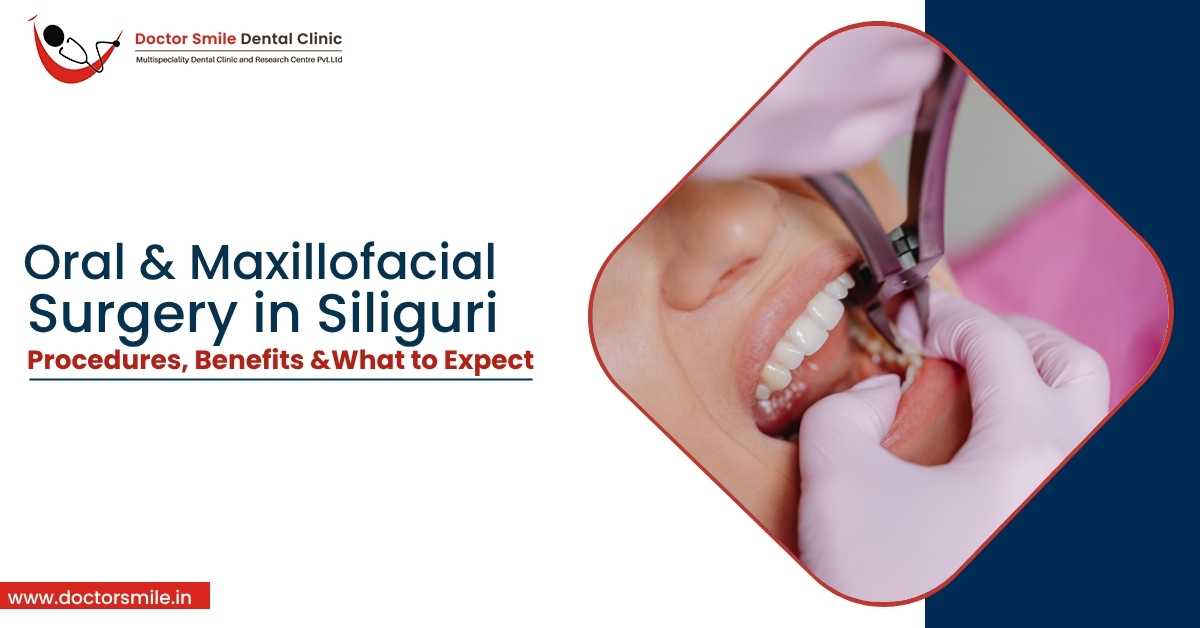
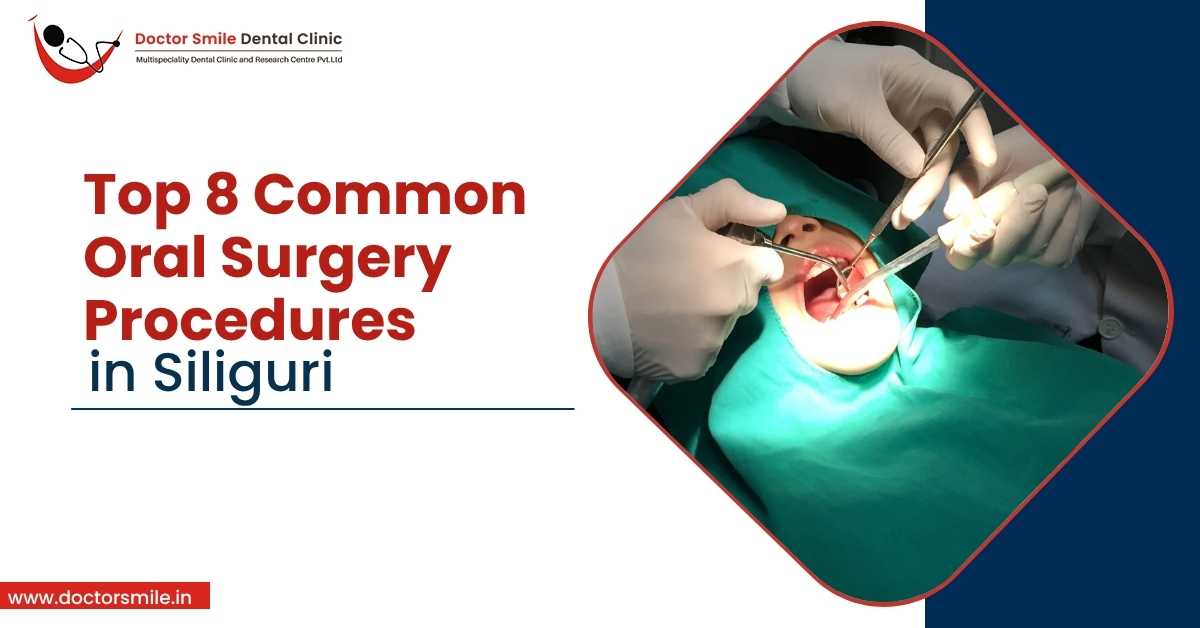

When you hear the word "oral surgery," a few questions often come to mind: what is the procedure, and whether it will be painful. The good thing is that oral surgery includes several treatments, and not all of them are complicated. And if you are looking for oral and maxillofacial surgery in Siliguri or any other location, this blog is going to be handy for you. These surgeries are performed to lessen the pain, while others are carried out to help prevent future dental problems. If your doctor has recommended oral surgery, you will at least have a basic idea about what, why, and how it will be performed.
Also Read: Why Choose Root Canal Treatment?
List of 8 Common Oral Surgery Procedures that you need to be aware of:
Tooth Extraction
You have often heard this word, as it is one of the most common oral surgery procedures. This procedure involves the extraction or removal of a tooth that has a cavity. Now, a dentist recommends it if your tooth has severe decay, extensive damage, an infection, or advanced gum disease. Also, for performing orthodontic treatment, a tooth may be removed to make space or reposition. Now the question comes: How is it performed? At the beginning, the area around the tooth is numbed or desensitized with local anesthesia. Sometimes you may feel pressure, but you will not feel the sharp pain. After the surgery, follow your dentist’s advice carefully; it can help the surgical area heal properly.
Removal of the Wisdom Tooth
Wisdom teeth are the final set of molars to develop, or the third molars. These teeth appear during the late teenage years or early adulthood, or in rare cases, late adulthood as well. Some of us are very much aware of the pain of wisdom teeth. Why do some of us feel the pain and some feel little or no pain? Some people have enough space for the wisdom teeth to grow normally with little or no pain, while others do not and face severe pain. This happens as the tooth remains partly or completely trapped beneath the gum. Therefore, the affected teeth can cause severe pain, swelling, infection, gum problems, or difficulty in chewing and cleaning the area. This surgery is often performed when the tooth is causing severe problems or likely to create complications in the future. The complexity of the procedure depends on the tooth’s position and how deeply it is located.
Dental Implant Surgery
Our smile is the biggest facial expression, and losing a toothing which affects our smile is our worst nightmare. Other than major issues, we face, such as it makes chewing difficult and, over time, contributes to changes in the surrounding bone. Dental implants are one option for replacing missing teeth. This process involves surgically placing an artificial tooth or a titanium tooth implant into the jawbone. Once the area heals and the implant becomes firmly integrated with the bone, a replacement tooth is attached. This process is time-consuming and often needs several visits. Healing takes months, depending on the individual’s health conditions and treatment plan. After it is completed, an implant can provide a stable and natural- looking replacement for a missing tooth.
Bone Grafting
As we all know, a strong and healthy jawbone is important for supporting a dental implant, but in some cases, individuals may not have enough bone in the jaw to support the implantation procedure. It helps to restore bone structure by grafting bone from another body or donor, or using synthetic bone material to the jawbone. This may happen due to several reasons, such as bone loss from gum infection, tooth extraction, or prolonged neglect of oral health. Hence, bone grafting is performed. A grafting material is placed in an area where additional bone is required. Your dentist or oral surgeon will assess the condition of your jawbone and determine whether grafting is necessary before implant treatment.
Gum Surgery
Gum diseases can begin with relatively mild symptoms, but with time, if not taken care of, they can affect the tissues and bone that support your teeth. In severe cases, regular dental cleaning and maintaining oral hygiene may not be enough to manage the condition. Gum Surgery may be recommended to treat deeper areas affected by gum disease. Depending on the situation, the procedure may involve deep cleaning, cleaning the areas beneath the gums, removing unhealthy tissue, or repairing damaged structures around the teeth.
Root-End Surgery (Apicoectomy)
We are used to the term Root Canal. It usually removes infection from inside a tooth. However, infection or inflammation may remain around the tip of the tooth’s root even after root canal treatment. An apicoetomy maybe recommended in such situations. This procedure involves the dentist accessing the tip of the tooth’s root through the gum, which removes the infected tissues and a small portion of the root, and then your doctor will seal the area. It is often performed to save the natural tooth rather than extracting or removing it.
TMJ Surgery ( Temporomandibular joint)
The temporomandibular joint, or TMJ, connects your jawbone to your skull and allows you to open and close your mouth, chew, speak, and yawn. When this joint or the muscles surrounding develops problems, you may experience pain in your head and jaw, clicking or popping sounds, stiffness, headaches, or difficulty opening your mouth. Many of the TMJ problems can be managed without surgery through treatments such as medication, exercises, lifestyle changes, or a customised mouthguard. However, when symptoms are severe or do not improve with the treatment advised by the doctor. Surgery may be advised by the doctor. Surgery can be minor or major depending upon the underlying problem. Your maxillofacial surgeon will usually recommend surgery after evaluating all the symptoms and other treatment options.
Oral Cancer Treatment
Oral cancer can develop in different parts of our mouth, including the lips, tongue, gums, cheeks, and the roof or floor of the mouth. Treatment depends on the type of cancer, its location, and how severe it is.In some cases, surgery is performed to remove the cancerous tissue. Depending on the situation, the treatments are chemotherapy or radiation. Early diagnosis can make treatment more manageable, and sometimes it can be fully cured depending on the severity. So if you notice something unusual like a mouth sore or unusual swelling, persistent pain, or unexplained bleeding, it is important to get checked by the dentist.
Final Thoughts
Oral surgery can sound a little stressful, but with the right advice and at the right time, it can make the process easier for you. As you know, “health is wealth”, so before the severity of the oral health issue grows, visit a dental professional. If you have any questions regarding the surgery procedure, or you are feeling anxious about the procedure, orifyou are looking for Oral and Maxillofacial Surgery in Siliguri, you can speak with the best dentist and schedule your appointment at Doctor Smile Dental Clinic.
